Understanding why depth of experience trumps breadth of destinations
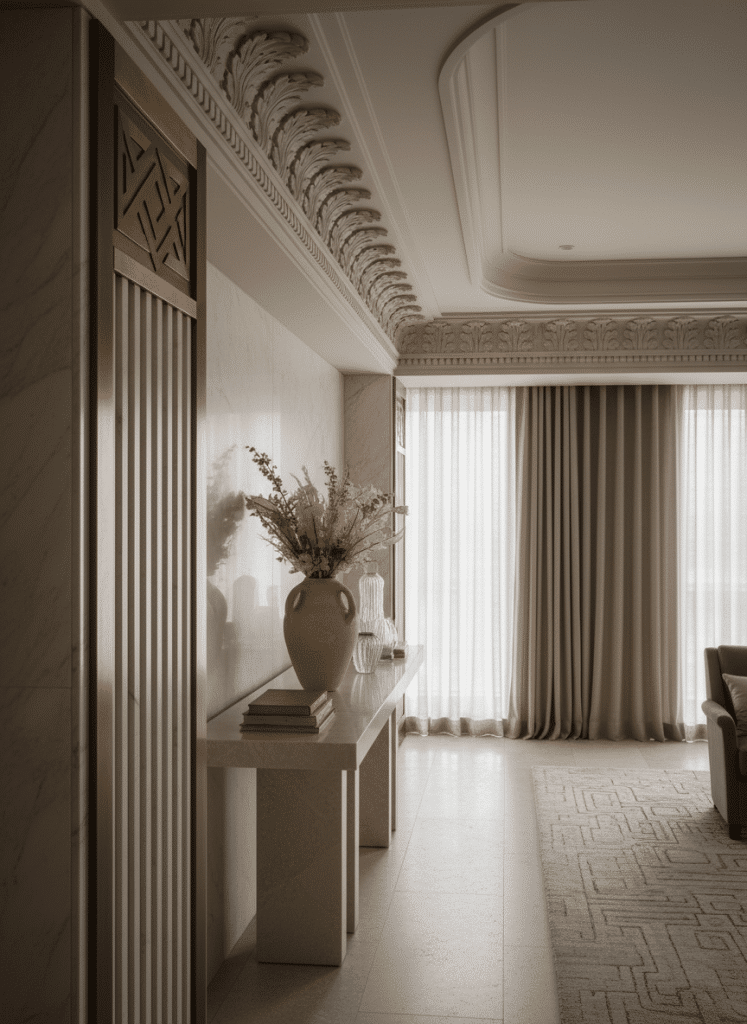 The accomplished traveler arrives in a European capital on Thursday afternoon. His colleagues back home assume he has a packed itinerary: major museums Friday morning, landmark sites Friday afternoon, cultural performances Friday evening, Saturday split between historic districts and shopping, Sunday morning at the famous market before his evening flight. Instead, he checks into his hotel, unpacks completely rather than living from a suitcase, and spends his first evening at a neighborhood restaurant the concierge recommended.
No famous monuments, no tourist attractions, simply excellent food and observing local life from a quiet corner table.Friday, he visits a single museum, spending three hours there rather than racing through five institutions in the same time. He sits with paintings that move him, reading the placards carefully, allowing genuine engagement rather than photographic documentation. Afterward, he walks through unfamiliar neighborhoods with no particular destination, stopping at a café when he feels like it, browsing a bookstore that catches his eye, watching how locals actually live rather than consuming tourist-optimized experiences.By conventional travel metrics, he is wasting his limited time in this city.
He could see far more by following efficient itineraries. Yet when he returns home, he carries specific memories rather than generic impressions. He remembers the light falling across a particular Vermeer, the conversation with the bookstore owner about contemporary local writers, the realization that this city’s rhythm differs from others he knows. He has actually experienced somewhere rather than merely visiting it.This is slow travel, an approach that sophisticates increasingly favor over the exhausting alternative of maximum-consumption tourism. At Mynt Models, we observe this preference among our internationally mobile clientele who understand that genuine experiences require time, that quality trumps quantity in travel as in all pleasures, and that the company you keep while traveling matters as much as the destinations you visit.
The Tyranny of the Checklist
Modern travel culture has devolved into optimization challenge. Guidebooks and travel blogs promise “36 Hours In” itineraries cramming maximum experiences into minimum time. Social media creates pressure to photograph yourself at iconic locations proving you were there. Travel becomes collecting proof of having been places rather than actually experiencing them with any depth or understanding.
This checklist approach produces predictable pathology. You visit famous sites without understanding their significance beyond tourist mythology. You photograph yourself in front of landmarks without engaging with the places themselves. You rush from experience to experience, perpetually behind schedule, returning home exhausted rather than restored. The trip succeeds by metric of sites visited while failing by any measure of actual enrichment or genuine memory creation.
Watch tourists at major attractions and you observe this dysfunction clearly. They arrive, photograph themselves, consult their guide about what they should see next, and depart. Ten minutes at a cathedral that took two centuries to build. Five minutes at a museum housing masterworks worthy of hours of contemplation. They are present nowhere because attempting to be everywhere, consuming surfaces without ever penetrating to depth.
The sophisticated traveler recognizes this pattern as antithetical to genuine experience. You cannot actually know a place by sprinting through its highlights any more than you can know a person through brief introduction. Real understanding requires time, attention, and willingness to engage beyond surface tourism into authentic local life.
The Philosophy of Slow Travel
Slow travel emerged as conscious rejection of this consumption model, drawing philosophical inspiration from the slow food movement that preceded it. The core insight is identical across domains: speed and efficiency optimize for wrong metrics. The goal is not maximum consumption but genuine experience, not impressive itineraries but actual memories, not exhaustive coverage but meaningful engagement.
This philosophy manifests in several practical commitments that distinguish slow travel from conventional tourism.
Depth Over Breadth
Rather than attempting to visit six cities in ten days, the slow traveler spends those ten days in one place, perhaps two if they are nearby. This allows actual rhythm to develop rather than living in perpetual motion. You unpack completely, establish local routines, discover neighborhood spots that tourists racing through never find. The city reveals itself in ways impossible during brief visits.
This depth creates qualitatively different relationship with place. You begin to understand local patterns, recognize faces in your neighborhood, develop preferences among the cafés and restaurants near your accommodation. You are temporarily inhabiting rather than merely visiting, living somewhere rather than touring through it. This distinction transforms the experience entirely.
Immersion Over Observation
Slow travel prioritizes participant observation over tourist spectatorship. Rather than visiting markets to photograph colorful produce, you shop there for ingredients to prepare in your rental apartment. Rather than watching locals socialize in cafés, you become regular yourself, perhaps striking up conversations with other patrons. Rather than consuming performances of culture arranged for tourists, you encounter actual local life in its natural contexts.
This immersion requires certain commitments. Learning at least basic phrases in local language rather than assuming everyone speaks English. Staying in neighborhoods where locals actually live rather than tourist districts designed for visitors. Eating where residents eat rather than following guidebook recommendations to tourist-oriented establishments. The effort creates access to authentic experience that guided tours and tourist infrastructure actively prevent.
Spontaneity Over Itineraries
While slow travel requires certain advance planning (securing quality accommodation, perhaps reserving specific experiences that book far ahead), it leaves substantial space for spontaneity and following what interests you in the moment. You might spend an entire afternoon in an unexpected neighborhood simply because you liked the atmosphere. You might abandon plans to visit a famous museum because you encountered a fascinating local event worth attending instead.
This flexibility allows the place itself to shape your experience rather than imposing preconceived itinerary regardless of what you actually encounter. You remain open to serendipity, chance conversations, unexpected discoveries that rigid scheduling prevents. Some of the most memorable travel experiences emerge from unplanned moments that structured tourism eliminates entirely.
Why This Approach Suits Sophisticated Travelers
Slow travel particularly appeals to accomplished individuals for several reasons that extend beyond mere preference into deeper compatibility with how sophisticated people approach all dimensions of life.
Alignment With Quality Over Quantity Philosophy
People who have learned to prioritize quality over quantity in wine, dining, art collecting, and all other pleasures naturally extend this philosophy to travel. They recognize that five cities visited superficially provide less genuine satisfaction than one city engaged deeply. The same discrimination that guides their other choices applies equally to how they spend limited vacation time.
This also means appreciating that truly excellent experiences cannot be rushed. Just as you cannot properly taste and appreciate fine wine while gulping it quickly, you cannot actually experience a culturally rich city during a two-day sprint through its tourist sites. Excellence requires time to reveal itself, and sophisticated palates have learned to allow that time rather than demanding instant gratification.
Slow travel requires confidence to resist cultural pressure toward maximum consumption and visible achievement. You must be secure enough to return from a ten-day European trip having visited one city while colleagues visited five, comfortable explaining that you chose depth over breadth even though it sounds less impressive. This confidence in your own judgment independent of social validation characterizes genuinely sophisticated individuals across all domains.
The person who needs travel to signal status or demonstrate worldliness feels compelled to maximize visible markers of having been places. The person traveling for actual experience rather than social proof can focus on what genuinely satisfies without concern for how it appears to others. This liberation from performative travel creates space for authentic engagement.
Appreciation for Contextual Understanding
Accomplished individuals operating in complex professional domains understand that surface knowledge differs fundamentally from contextual understanding. You cannot grasp market dynamics by reviewing summary statistics any more than you can understand a city by visiting its famous buildings. Real comprehension requires understanding context, history, the relationships between elements that simple observation cannot reveal.
Slow travel facilitates this contextual understanding in ways that rushed tourism prevents. Spending week in a place allows you to read its history, understand how current patterns emerged from past events, grasp why locals relate to their city as they do. This depth transforms tourism into genuine education, leaving you enriched rather than merely documented as having been somewhere.
The Company You Keep While Traveling
One often overlooked dimension of travel quality is the company you keep during the journey. Solo travel offers certain advantages (complete schedule control, immersion in local encounters, undistracted observation). Yet traveling with the right companion creates possibilities that solo journeys cannot match while amplifying rather than diminishing the slow travel experience.
Exceptional experiences become richer when shared with someone whose company you genuinely enjoy and whose perspective enhances your own. The museum visited together creates conversation about what you observed, each person’s interpretations enriching the other’s understanding. The meal shared becomes not just consumption but discussion of flavors, techniques, the chef’s intentions. The walk through unknown neighborhoods generates observations you might miss alone, as two sets of eyes notice different details.
This companionship requires compatibility that random travel companions or even friends may not provide. The ideal travel companion for slow travel matches your actual pace (neither rushing you nor holding you back), shares intellectual curiosity about places and cultures, and brings genuine engagement rather than merely tolerating your interests. Finding such compatibility is rare, which is why many sophisticated travelers default to solo journeys rather than settling for incompatible company.
The Professional Companion Advantage
For gentlemen who travel frequently for business, the companion question takes particular form. Solo evenings in foreign cities can feel isolating after demanding work days. Yet colleagues or clients rarely make ideal dinner companions for genuine relaxation. Local friends may not exist in cities you visit infrequently. The hotel bar becomes default despite providing minimal actual restoration or pleasure.
This is where thoughtfully arranged companionship serves specific function that slow travel principles illuminate. Rather than rushing through dinner to maximize productivity, an evening with engaging companion creates space for actual leisure. The conversation flows naturally because you have selected for intellectual compatibility. She knows the city well enough to recommend experiences beyond tourist circuits but is not so familiar that everything bores her. The evening becomes genuine pleasure rather than time marked between work obligations.
For extended trips where you build in genuine leisure time before or after business commitments, companion arrangements can transform the experience entirely. Rather than touring museums alone, you have intelligent company whose observations enrich your own. Rather than dining solo while mentally reviewing work concerns, you engage in conversation that allows actual mental shift into leisure mode. Rather than returning to empty hotel rooms, you share the day’s discoveries with someone whose presence enhances rather than drains your energy.
This is slow travel’s ideal companion scenario: someone who matches your pace and curiosity, who brings her own perspectives and knowledge, who requires no performance or caretaking from you, and whose presence creates space for genuine connection rather than obligation. At Mynt Models, we facilitate exactly these arrangements, understanding that the right companion transforms travel from solo endurance into shared pleasure.
Practical Applications of Slow Travel
Translating slow travel philosophy into actual trips requires several practical shifts from conventional travel planning.
Duration and Destination Selection
Instead of maximizing destinations within available time, select single destination worthy of extended stay and give it the time it deserves. One week in a culturally rich city provides more genuine value than one week split among four cities. Two weeks in a region allowing day trips from central base beats two weeks rushing through multiple regions.
Choose destinations that reward depth rather than those whose appeal is primarily surface attractions requiring minimal time. Cities with rich cultural life, significant artistic heritage, complex history, and authentic local culture that persists beyond tourist economy serve slow travel better than destinations built primarily for visitors.
Accommodation Strategy
Rather than hotels optimized for efficient tourism, seek accommodation in neighborhoods where locals actually live. Rental apartments provide more authentic experience than tourist-oriented hotels while offering flexibility for in-residence dining, genuine unpacking, and establishment of temporary home rather than living from luggage.
For business travel followed by leisure extension, this might mean moving from business hotel in commercial district to apartment or boutique hotel in residential neighborhood for the leisure portion. The physical relocation marks psychological transition from work to genuine rest while providing access to authentic local life.
Activity Planning
Schedule less than seems reasonable. If you could visit three museums in a day, plan for one. This creates margin for spontaneity, prevents exhaustion, and allows genuine engagement rather than rushed consumption. Protect unscheduled time rather than filling every hour with planned activities.
Prioritize experiences that require genuine time: cooking classes, language lessons, walking tours led by knowledgeable locals rather than large tour groups, performances that provide cultural context beyond the show itself. Avoid anything promising to “see it all” in limited time, as these invariably deliver superficial experience across multiple sites rather than depth anywhere.
Technology and Presence
Limit photography to what serves memory rather than social proof. Put away the phone during meals, museums, and interactions that deserve full attention. Resist the compulsion to immediately research and optimize every decision; allow some experiences to emerge naturally rather than engineering everything for maximum efficiency.
This does not mean avoiding technology entirely. Using apps to find excellent local restaurants, reading about sites before visiting them, accessing maps when needed all enhance rather than diminish experience. The distinction is between technology serving your genuine engagement versus technology enabling performative tourism or fragmenting your attention.
The Return on Investment
Slow travel appears inefficient by conventional metrics. You see fewer sites, visit fewer cities, cover less geographic ground. Yet measured by what actually matters (memory creation, genuine understanding, enrichment, restoration), slow travel dramatically outperforms rushed alternatives.
The specific memories you retain from slow travel differ qualitatively from generic impressions that rushed tourism produces. You remember particular moments, specific interactions, the feeling of particular neighborhoods at particular times of day. These memories have texture and depth rather than being mere documentation that you were somewhere.
You return genuinely enriched rather than exhausted. Rather than needing vacation from your vacation, you have actually rested and engaged in ways that restore rather than deplete. The experience enhances your life beyond the trip itself through memories that sustain and perspectives that broaden your understanding.
For business travelers who have experienced hundreds of cities through the window of hotel-office-hotel routine, slow travel provides antidote to this numbing repetition. You finally actually experience places you have visited numerous times without ever really seeing. This transforms cities from mere business destinations into genuine places with character and appeal beyond their conference centers and business districts.
Slow Travel as Lifestyle Extension
Ultimately, slow travel represents not isolated travel philosophy but rather extension of broader approach to living well. The same principles that guide sophisticated dining (quality over quantity, full attention, genuine appreciation), wine collecting (depth over volume, education enabling discrimination), and companion selection (compatibility over convenience) apply equally to travel.
The person who brings discipline to pleasure, who curates aesthetic coherence across all life domains, who prioritizes genuine experience over performative consumption, naturally gravitates toward slow travel. It aligns with how they approach everything else rather than requiring completely different mindset for this one activity.
This philosophical consistency matters. You do not compartmentalize quality standards, maintaining them in some domains while abandoning them during travel. You recognize that how you travel matters as much as how you dine, collect, work, or spend any other significant resource. The same intentionality and discrimination apply universally.
The Unhurried Advantage
In culture celebrating speed and maximum consumption, choosing slowness and depth requires confidence that genuinely sophisticated individuals possess. You are secure enough in your judgment to resist social pressure toward impressive itineraries, wise enough to recognize that actual experience requires time, and discerning enough to value quality over the mere appearance of worldliness.
Slow travel transforms tourism from collection of sites visited into genuine engagement with places and cultures. It creates memories rather than merely accumulating destinations. It enriches rather than exhausts. And it aligns perfectly with the quality-over-quantity philosophy that guides sophisticated living across all domains.
For gentlemen who travel frequently, whether for business or pleasure, this approach offers particular advantages. Combined with thoughtfully selected companionship, slow travel becomes not just solo endurance but shared experience that enhances both the journey and the destination. The right companion transforms what would be competent solo tourism into genuinely memorable shared adventure.
At Mynt Models, we understand these dynamics because our clients consistently demonstrate them. They approach travel with the same discrimination they bring to all pleasures, seeking quality over quantity, depth over breadth, genuine experience over tourist performance. When they request companion arrangements for travel, we facilitate introductions that honor this philosophy rather than undermining it through incompatible matches.
Because the art of the unhurried journey lies not in seeing everything but in genuinely experiencing something, not in maximizing destinations but in actually knowing places, and not in traveling alone by default but in choosing company worthy of the experience you have carefully curated.
Because slow travel, like all sophisticated pleasures, rewards those patient enough to let quality reveal itself, rather than rushing toward quantity that impresses without satisfying.